
By Paul V. DeMarco
Guest Columnist
EDITOR’s NOTE: What? Three posts from Paul DeMarco in a row? No, the good doctor hasn’t quit practicing medicine to blog full-time. But he had saved up these three healthcare-related columns and sent them to me a couple of weeks back, and to my shame, I’m just getting around to posting them. Thanks so much for sharing your professional perspective on these important matters, Paul!
RFK Jr. promised radical positive change for American health care. So far, he has weakened the CDC’s vaccine advice, presided over the nation’s largest measles outbreak in three decades (the current epicenter of which is Spartanburg), and made inconsequential changes in the food pyramid and food additives.
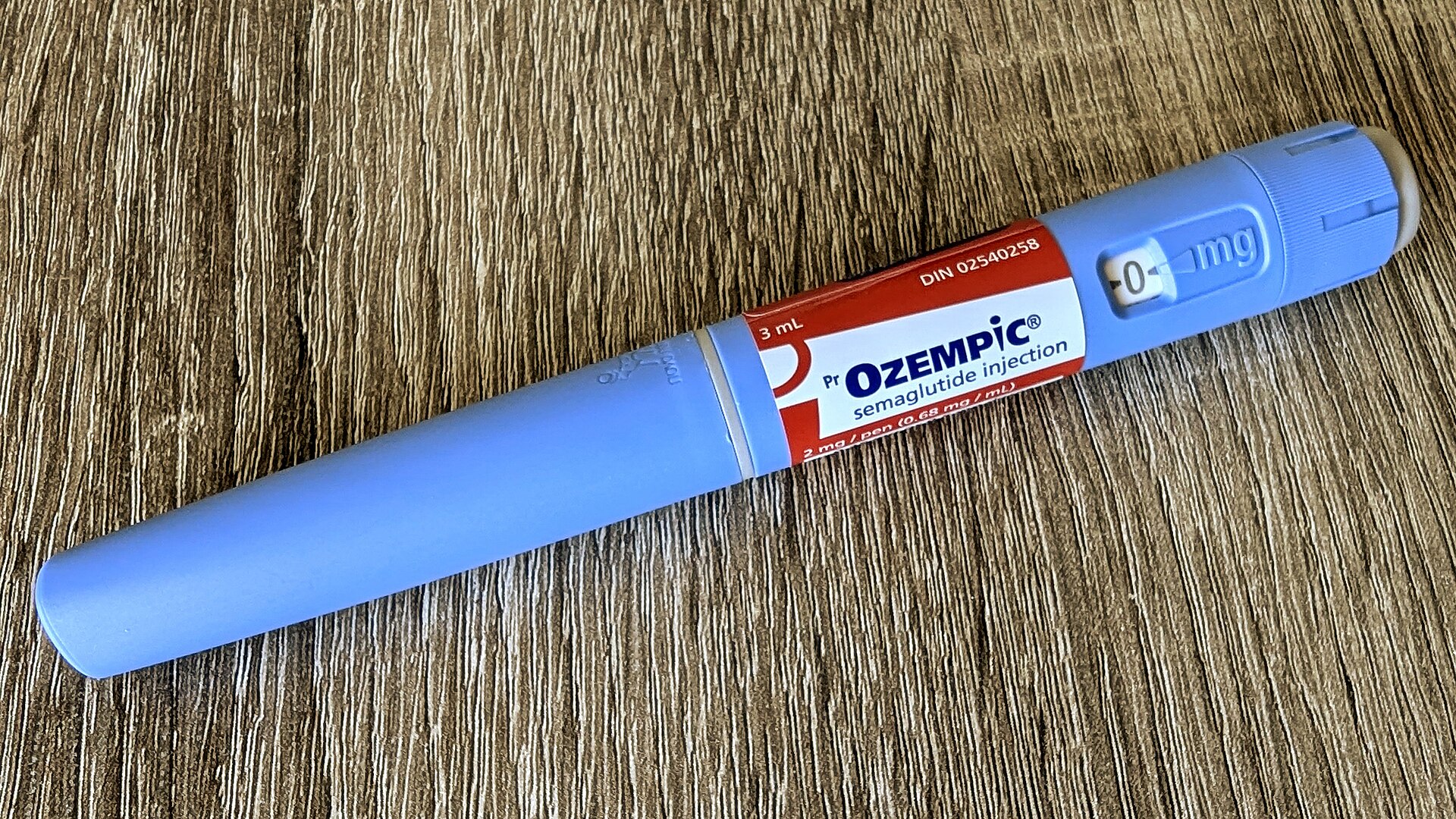
The real opportunity to MAHA is to increase access to drugs such as Ozempic, Mounjaro, Zepbound, and Wegovy. These drugs are in the class of glucagon-like peptide-1 receptor agonists (GLP-1s). They stimulate the production of GLP-1, a hormone produced by the gut and brain that stimulates insulin secretion, helping lower blood sugar. In addition, they reduce mortality from heart attack and stroke and show promise in preserving kidney and liver function. They rank as one of the most consequential drug classes of the last quarter century.
I’ve spent my entire career trying, mostly unsuccessfully, to help patients lose weight. I started in the 1990s giving out quixotically restrictive diets (a half grapefruit, a slice of toast, and one boiled egg for breakfast, etc). Then in the 2000s, I hoped we could educate our way out of obesity. All we needed to do was put nutrition information on menus. I predicted (obviously incorrectly) that once people realized that a McDonald’s Quarter Pounder with cheese, large fries, and a large Coke was north of 1,500 calories (which is more than half of most people’s daily requirement), they would be running out the door and making a bee line for the nearest grocery store’s produce section.
Obesity is less a personal defect than the natural consequence of a country’s abundance. Once food becomes accessible, inexpensive, and engineered to be delicious, most of that nation’s people are going to eat too much of it. Remaining lean in this environment is possible – about a third of Americans manage it – but it requires a combination of favorable genetics, resources, education, and sustained restraint.
I still encourage my patients to do all the things they already know to do – break up with Little Debbie, eat more veggies, and stay active. But those tired instructions usually fail to make a difference. After decades of futility, I’m glad to finally have something to offer patients that works. The typical weight loss with sustained use of a GLP-1 is 15-20% of a patient’s body weight. For someone weighing 200 lbs., that’s 30 to 40 pounds.
Do I wish that the standard advice was enough? Yes, I would love to have a population of patients that crushed a kale smoothie every day after their 45-minute work-out. But most people don’t, or can’t, live like that. Now we have a drug that gives us the power to navigate the modern food landscape without falling into its many ravines.
Currently, most of my patients taking GLP-1s are diabetics. Watching A1Cs magically normalize is a wonder. For most of my career, we treated Type 2 diabetics with insulin. However, in Type 2, the primary defect is insulin resistance rather than insulin deficiency. If you give a patient enough insulin (sometimes hundreds of units a day), you can overcome this resistance and normalize blood sugar. However, insulin is an anabolic hormone which often causes weight gain.
The great advantage of GLP-1s over insulin is their ability to control diabetes while inducing weight loss. It’s now commonplace for one of my patients to walk into the exam room feeling both healthier and lighter. A weight, literally and figuratively, has been lifted off their shoulders. Some obese patients are not too bothered by the number on the scale. But for others, the lifelong struggle with their weight is shame-inducing. Patients are dogged by feelings of helplessness and unworthiness. I have shared my patients’ joy in both the physical and emotional boosts that GLP-1s provide.
There are, of course, cautions. Not everyone can take these medications. The most common side effect is nausea but there are a host of others, including serious ones like pancreatitis. However, overall, about 9 out of 10 people who start GLP-1s can tolerate them.
Ironically, while RFK Jr. has often criticized reliance on drugs like Ozempic, the administration he serves is moving to decrease their price. The administration has announced agreements with GLP-1 makers Novo Nordisk and Eli Lily to lower prices. One proposal seeks to lower the Medicare co-pay for GLP-1s to $50 a month. RFK Jr. should be championing that and similar ideas. He should intensify the pressure on the companies by educating the public about the economics of the GLP-1 market.
A recent peer-reviewed cost analysis published in JAMA Network Open estimates that GLP-1s cost less than $5 a month to manufacture. To be fair, this does not include research, development, distribution, and capital investment costs. But it’s clear that these companies are generating billions of dollars in profits, much of it from the U.S. market. Over the last several years, prices for GLP-1s have been roughly 5 to 10 times higher in the United States than in other developed nations. For example, in Britain last year, prices were approximately $100 per month compared to $1000+ in the US.
RFK Jr. could be leading the way on increasing accessibility for GLP-1s, rather than being a reluctant follower of a rare sound policy proposal coming out of the Trump White House.
Paul DeMarco is a physician who resides in Marion, SC. Reach him at pvdemarco@bellsouth.net.
“To be fair, this does not include research, development, distribution, and capital investment costs.”
You left out the cost of meeting onerous government regulation as well as the cost of litigation for the inevitable class action lawsuits that will occur once the true long term effects of being on these drugs is known.
It’s sad to think that the “take a pill” mindset now permeates from both to death. Mind altering SSRIs, daily allergy pills, statins.. many adults take multiple pills a day..
One thing I hope RFK accomplishes is to ban TV ads for prescription drugs. They are unnecessary if doctors are informed about them.
So, is it on label for these drugs to be prescribed for weight loss?
Once your patients, hit their target weight, how do they maintain?
How much do artificial sweeteners and other additives disrupt gut bacteria and does this cause weight gain? Doesn’t MSG stimulate the brain to eat more?
I saw some pictures of crowd scenes from the 1940s in the newspaper, and the people were mostly thin. I’m guessing they were more physically active and ate most of their meals prepared at home.
I know my comments are stream of consciousness; even so, I had to edit myself.
Actually, that one thing might do the trick: Close all the restaurants. If you have to go the grocery, bring it home, cook it, eat it, clean up and if some is left, store it until you can eat the rest… you might eat less.
Of course, home is where a lot of folks do most of their fattening eating — the full container of Bryers, cookies and crackers, the leftovers you really should save until tomorrow…