Real vs. AI. AI is so dumb, it ‘thinks’ it was being racially sensitive.
The pictures above are from one of the texts from my linguistics course. The one on the left is real. The one on the right was created by artificial intelligence.
Don’t blame AI entirely. As we learned from Hal, who explained his behavior in “2001” in the sequel, “2010,” you have to be really careful how you program these machines.
Hal was programmed to remove any obstacle that threatened the success of the mission to Jupiter. If that meant killing those pesky astronauts on board, so be it.
The AI (Google’s LLM Gemini) that added a black member to the Wehrmacht “was apparently trained to generate (racially and ethnically) diverse, but had no way to know in what actual, factual contexts such diversity existed (or did not exist),” according to the book.
This happened in 2015. We know that AI is exponentially “smarter” today. But we would still do well to be careful in what we trust it to do.
Seeing that reminded me of something I recently realized about my own attitude toward artificial “intelligence.”
I’m not engaged in creating fake images that look real (although sometimes I do play around with Photoshop), so I’m not really concerned about ending up with fake black Nazis.
I write and edit. And ever since people around me (people who are not writers and artists) started using AI to generate text, I’ve thought, “I would never do that.” And not because I feared losing my job; I’m basically retired.
But I’ve avoided saying that, because I knew how people would react: “Look at the old Luddite who started out writing on manual typewriters!” Which I did; but I’m not a Luddite. I’ve enthusiastically embraced every new technology that has come along since those early days. I was usually at the vanguard of each change, and coached others in how to use it.
But not this. And one day recently, listening to some other people talking back and forth about the advantages and disadvantages of using AI, it suddenly hit me why I refused even to think about it.
No matter what technology was involved, I have never entirely trusted anyone else to express something I wanted to say. Oh, sure, I trusted my reporters and my associates on the editorial board. But I coached them ahead of time on how to write it, and as editor had complete control of the final form.
Sometimes I would rewrite it completely. Not because I was smart and they were dumb. I did the same thing to myself. Over and over, I would write an entire column and then throw it away and rewrite it entirely — sometimes I’d be so disgusted with the draft I’d even abandon the subject and write about something else.
No matter how much I fed to the machine ahead of time, when it was done, I’d be dissatisfied and rewrite it, taking pretty much as much time as if I were rewriting something I or a trusted subordinate had written.
So where’s the advantage in doing it in the first place?
So I basically just use AI to help with searches, and I apply plenty of caveats to that. Just as a way of sniffing the air as I start out on serious work; I always dig deeper than Google’s AI shows me.
So what about you? In what ways do you use AI, and to what extent do you trust it?
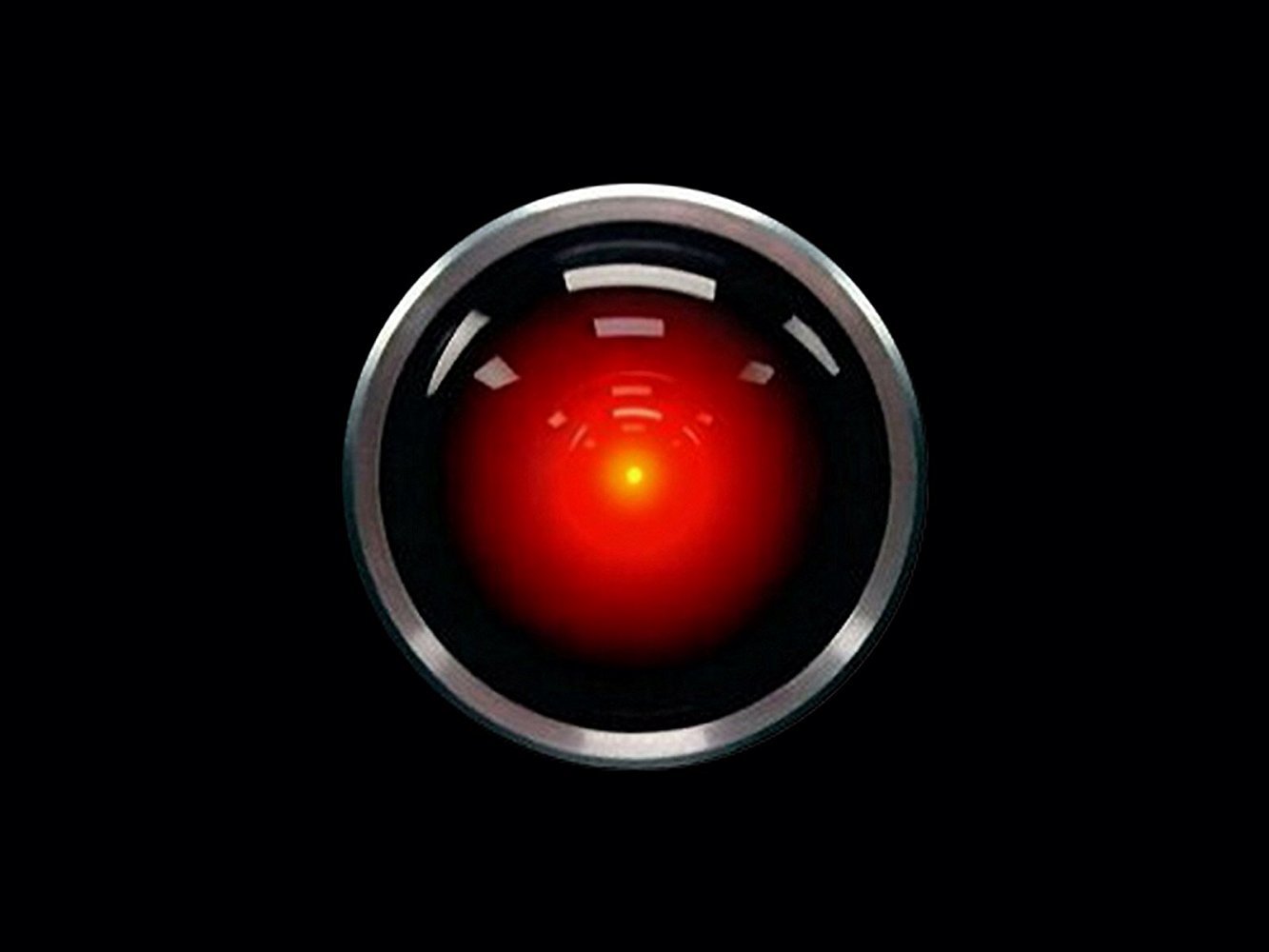
Remember Hal?